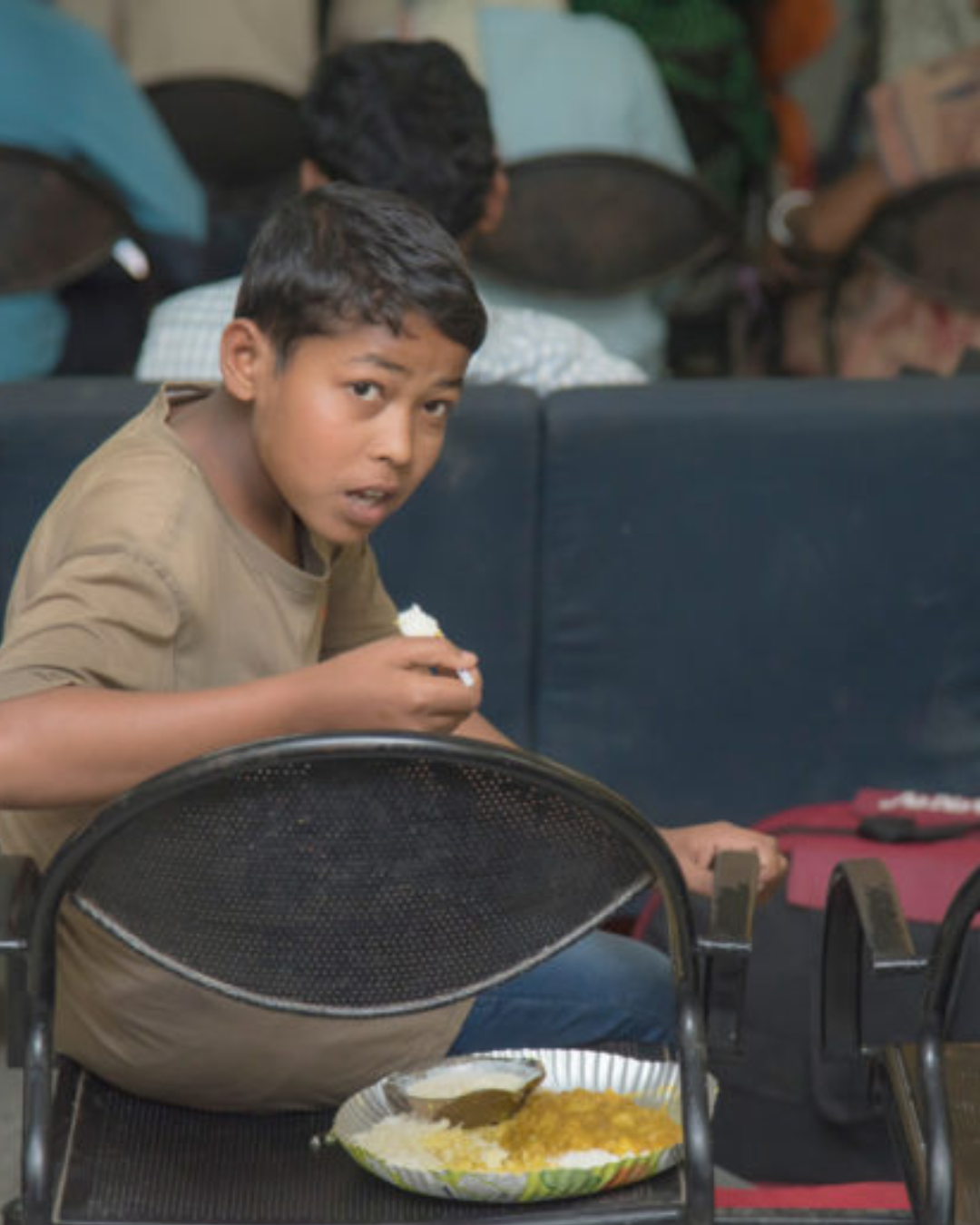
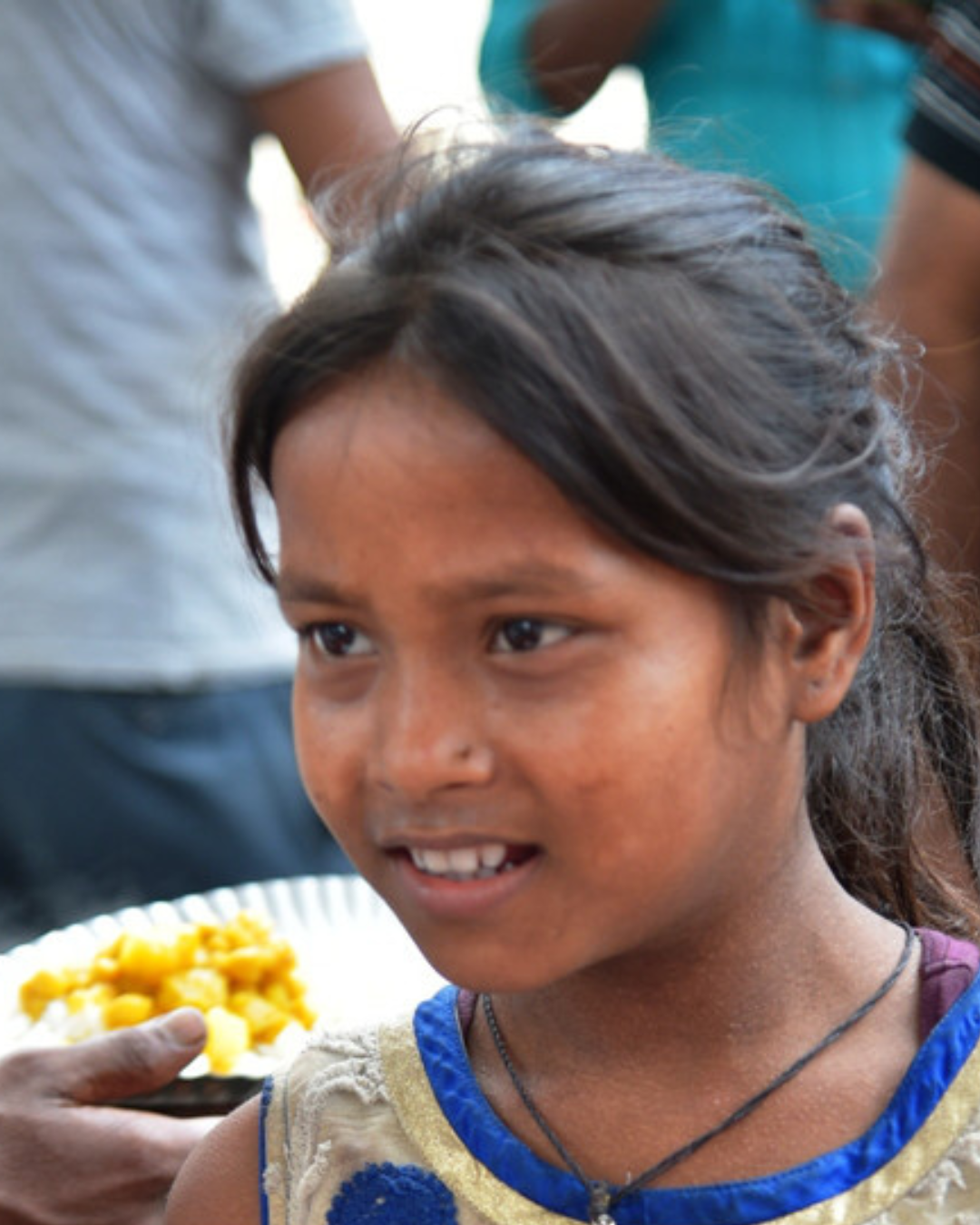
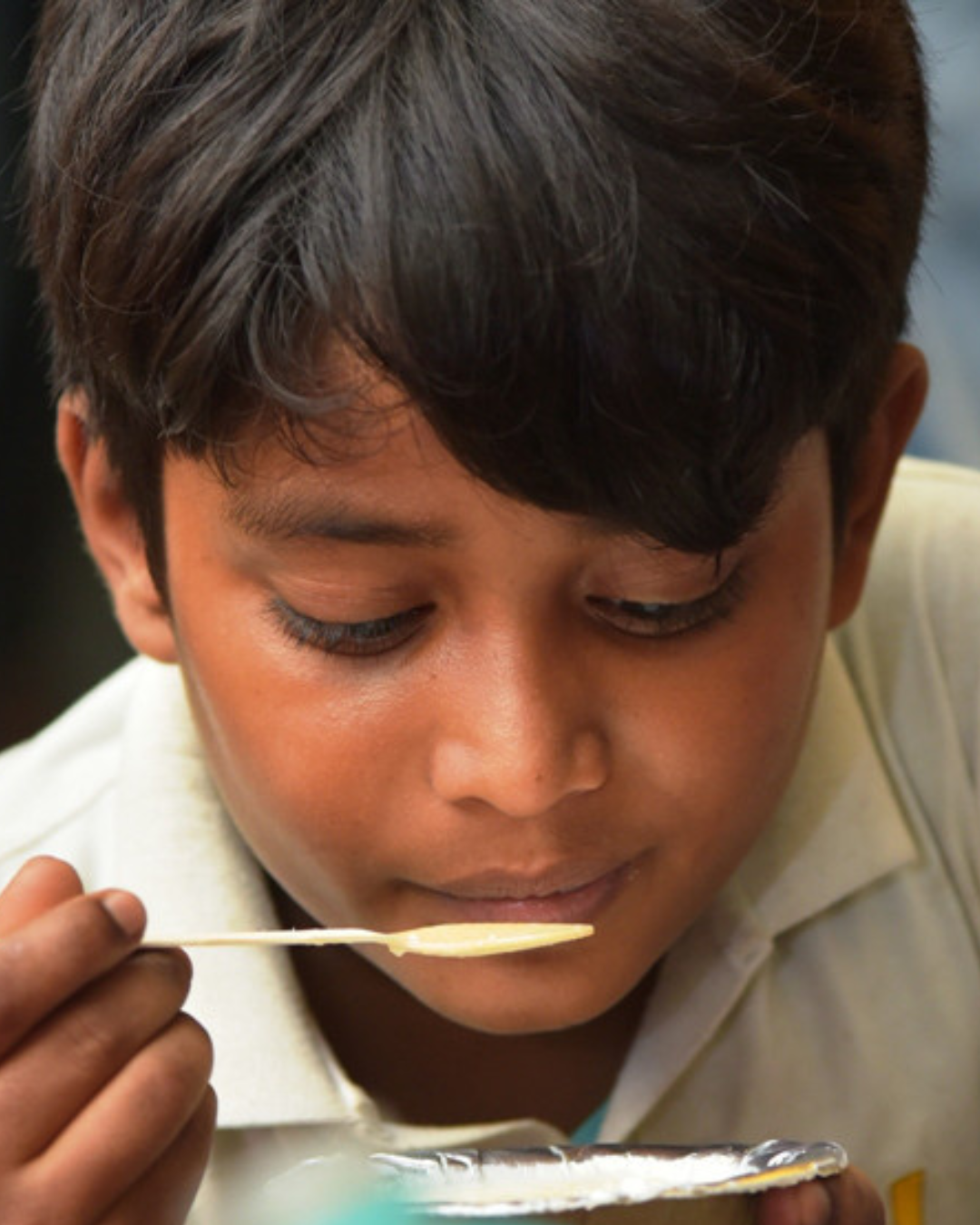
Feeding initiatives in orphanages serve as a vital support system for children who rely entirely on institutional care for their daily needs. For many orphanages, especially those operating with limited funding, ensuring a consistent supply of nutritious and wholesome food is a persistent challenge. A structured feeding program directly addresses this gap by providing regular, balanced meals that contribute to the healthy growth and development of children. Proper nutrition during childhood is critical—not only for physical health but also for cognitive development, immunity, and emotional well-being. By ensuring that children receive timely and adequate meals, such initiatives lay a strong foundation for their overall development and future potential.
Beyond the nutritional aspect, feeding initiatives in orphanages carry deep emotional and psychological significance. Food, when served with care and dignity, becomes a medium of love and reassurance. Children growing up without parental support often face feelings of insecurity and neglect; a dependable meal routine can instill a sense of stability and belonging. When volunteers or organizations engage directly with children during meal distribution—serving food, interacting, and sharing moments—it fosters human connection and emotional warmth. This compassionate engagement helps bridge the emotional gap and creates a nurturing environment that supports the mental well-being of the children.
Operationally, orphanage feeding programs require careful planning and consistency. Meals are typically designed to be simple, nutritious, and culturally appropriate, often including staples such as grains, pulses, vegetables, and occasionally fruits and dairy. Hygiene and food safety are of utmost importance, as children are particularly vulnerable to infections. This necessitates clean cooking environments, proper storage, and safe handling practices. Many initiatives adopt a systematic approach involving meal scheduling, portion planning, and coordination with orphanage authorities to ensure smooth and uninterrupted service. In some cases, organizations may also provide raw groceries, enabling the orphanage to manage cooking internally while maintaining a steady food supply.
Sustainability and scalability are key considerations in such initiatives. Regular feeding programs depend on continuous funding, reliable supply chains, and committed volunteers. Support may come from individual donors, corporate social responsibility (CSR) contributions, or community fundraising efforts. To maintain long-term impact, organizations often build partnerships with suppliers and local communities, ensuring that resources are utilized efficiently and consistently. Some programs also incorporate nutritional planning and periodic assessments to adapt menus based on the evolving needs of growing children.
Additionally, feeding initiatives in orphanages often extend beyond just providing meals. They can become platforms for holistic care, integrating activities such as nutrition education, health check-ups, and festive meal distributions that bring joy and a sense of celebration to the children. These efforts help create a more enriching environment, where food is not only a necessity but also an experience that nurtures happiness and dignity.
In essence, feeding initiatives in orphanages are more than acts of charity—they are investments in the future of children who depend on collective care. By addressing hunger with compassion, structure, and consistency, these programs play a crucial role in shaping healthier, happier, and more secure lives for the next generation.