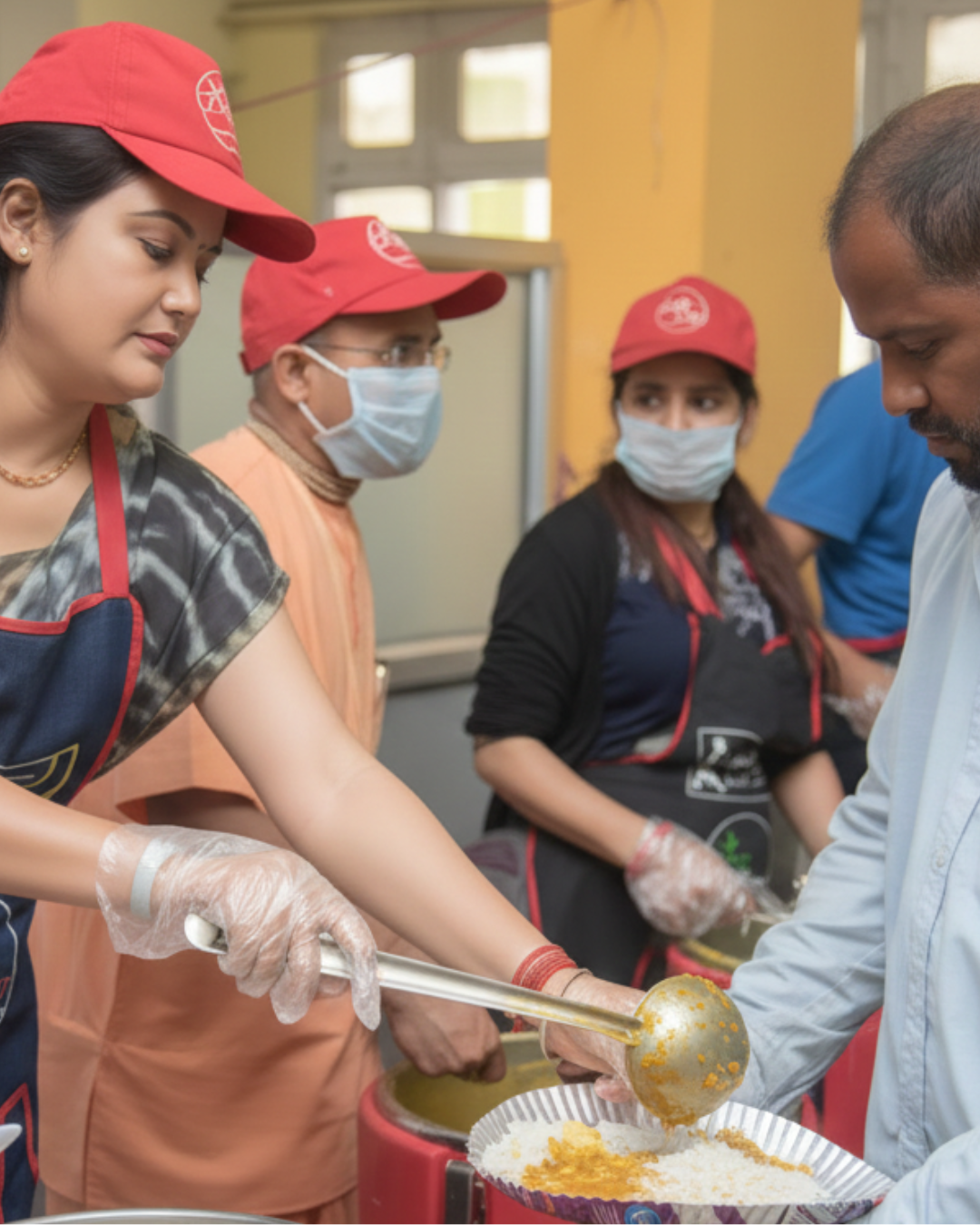
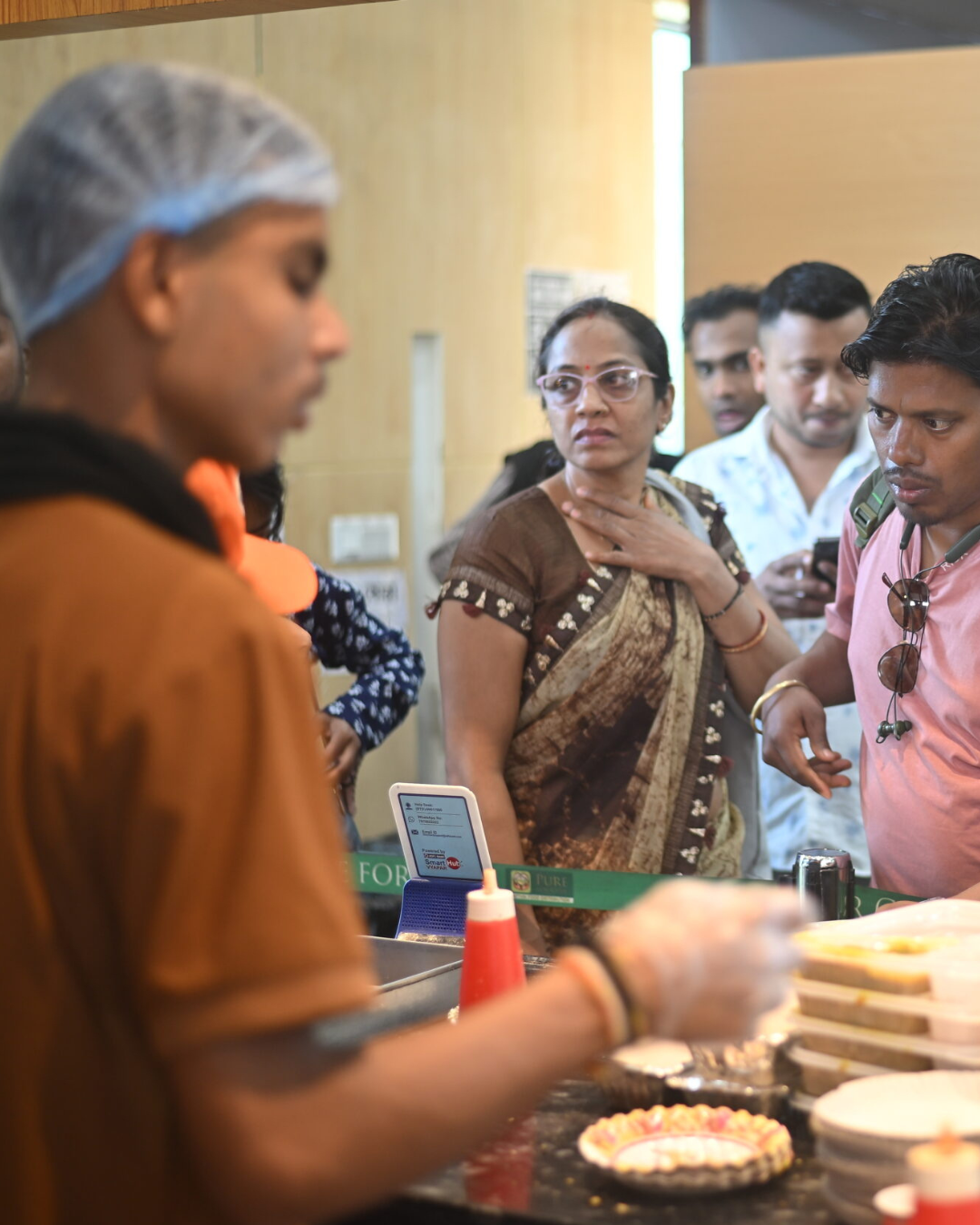
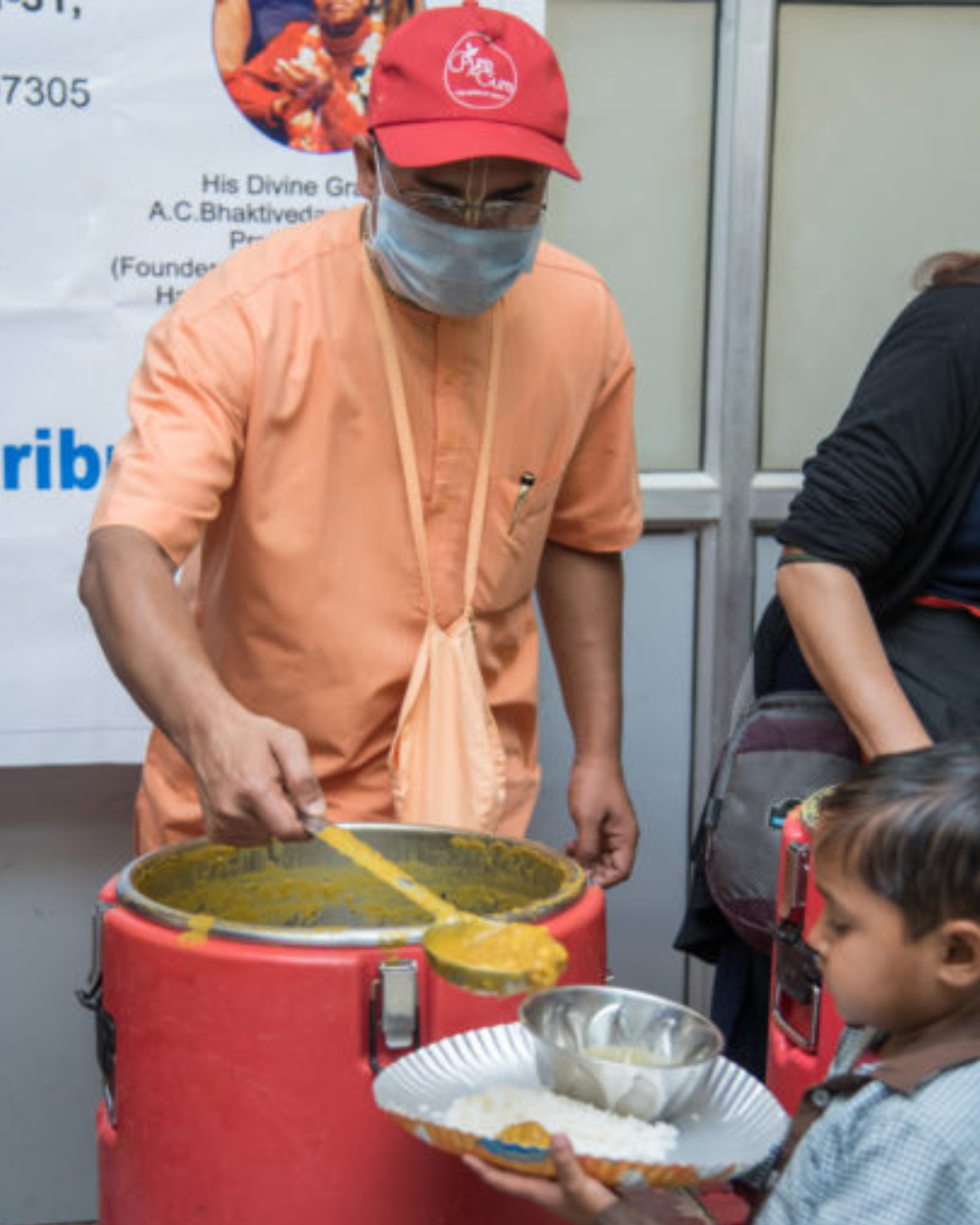
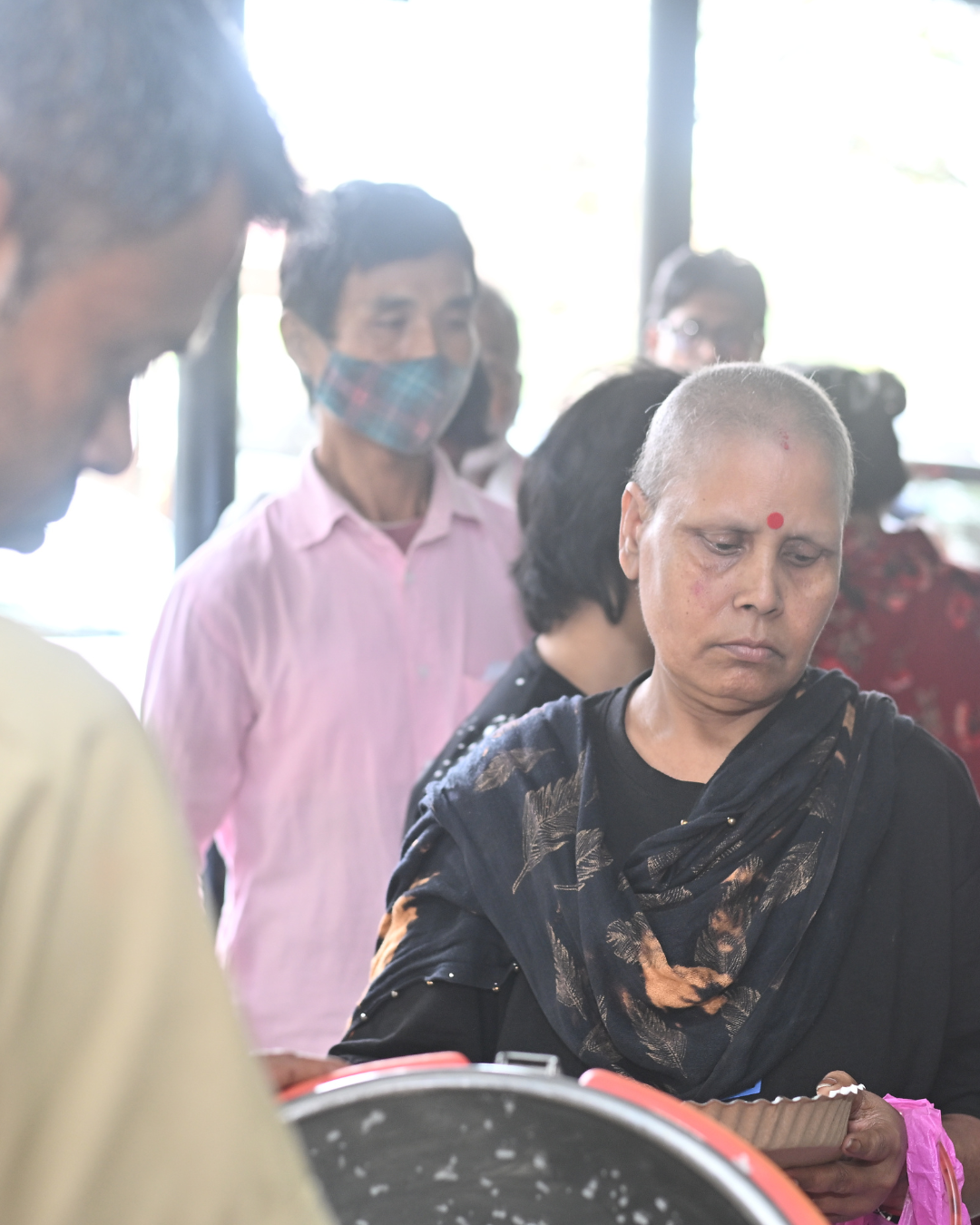
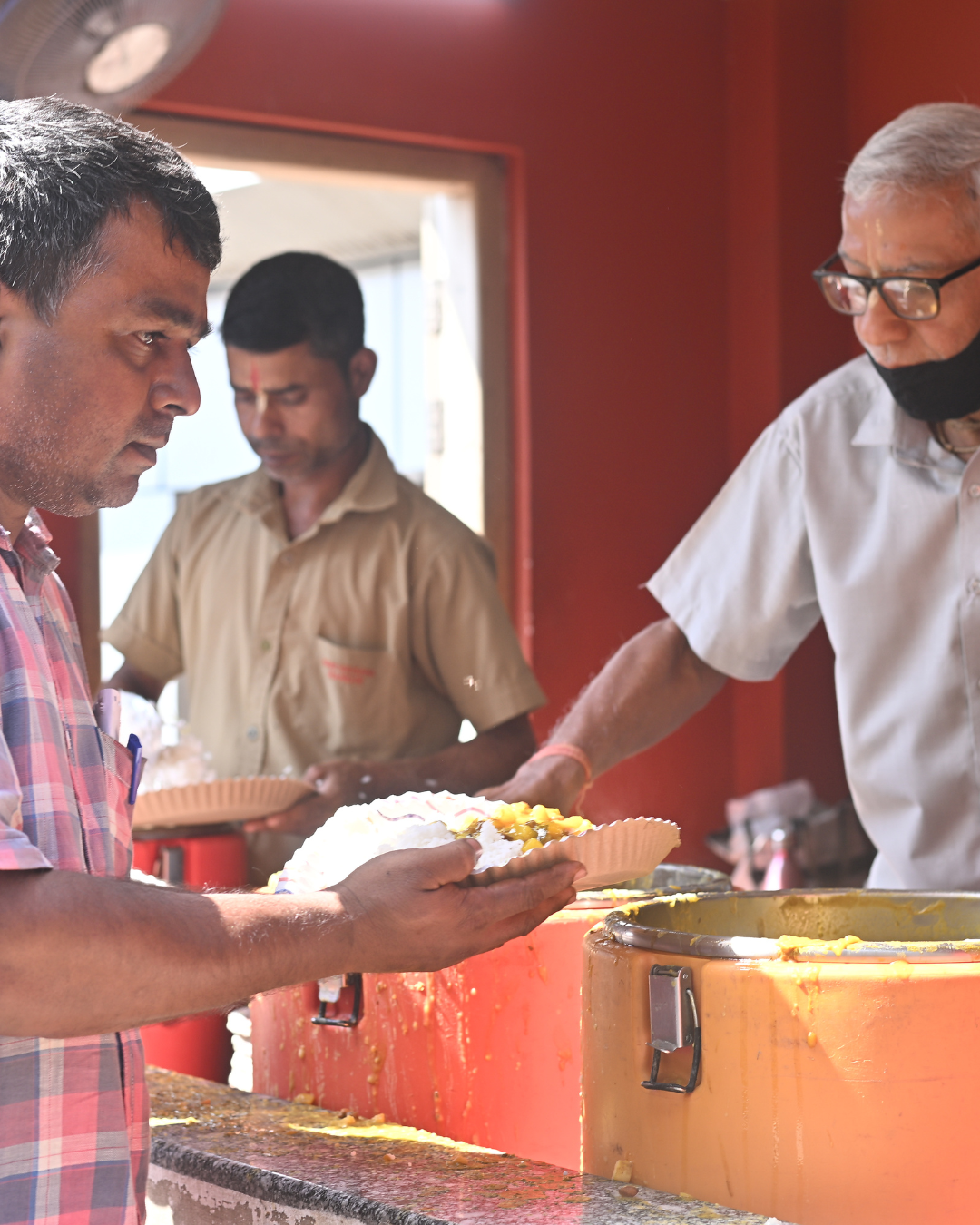
Hospital feeding initiatives play a critical role in supporting some of the most vulnerable sections of society—patients undergoing treatment, their caregivers, and hospital staff who often endure long hours under stressful conditions. In many public and charitable hospitals, especially in densely populated regions, access to consistent, nutritious, and hygienic food remains a significant challenge. Patients frequently come from economically weaker backgrounds and may not have the means to afford proper meals during their stay. Caregivers, who accompany them out of necessity and compassion, often neglect their own nutritional needs due to financial constraints or lack of facilities. A well-structured hospital feeding initiative addresses this gap by ensuring the timely distribution of freshly prepared meals, thereby directly contributing to the physical well-being and emotional resilience of those within the hospital ecosystem.
At its core, a hospital feeding program is not merely about food distribution—it is a service rooted in dignity, empathy, and organization. Meals are typically planned to meet basic nutritional standards, often including staples like rice, lentils, vegetables, and occasionally fruits or dairy, ensuring a balanced intake that supports recovery and sustains energy levels. Hygiene and quality control are paramount; food must be prepared in clean environments, transported safely, and served in a manner that maintains both sanitation and respect for recipients. This requires a systematic operational framework involving procurement, cooking, packaging, logistics, and volunteer coordination. Many successful initiatives function like well-oiled systems, where each stage is optimized to handle large volumes without compromising on quality.
One of the most impactful aspects of hospital feeding is its psychological benefit. For patients battling illness, especially those admitted for prolonged periods, receiving a warm, wholesome meal can offer a sense of comfort and care that goes beyond medical treatment. It reassures them that they are not alone and that there are people who genuinely care about their well-being. Similarly, caregivers—often family members who sacrifice their time, income, and personal comfort—find immense relief in knowing that at least one of their daily concerns is taken care of. This emotional support can significantly influence morale, which in turn can positively affect recovery outcomes.
From an operational standpoint, hospital feeding initiatives often rely on a combination of donations, volunteer engagement, and institutional partnerships. Funding may come from individual donors, corporate social responsibility (CSR) programs, or philanthropic organizations that recognize the value of such services. Volunteers play a crucial role, from cooking and packaging meals to distributing them within hospital premises. Coordination with hospital authorities is equally important to ensure smooth execution, avoid disruptions, and maintain compliance with health and safety regulations. In some cases, designated distribution points are established within hospital campuses, while in others, volunteers deliver meals directly to wards, depending on the scale and structure of the facility.
Scalability and consistency are key challenges in such initiatives. Feeding a handful of people occasionally is relatively simple, but sustaining a large-scale, daily operation requires robust planning and resource management. Inventory control, demand forecasting, and contingency planning become essential components. For instance, fluctuations in patient inflow, seasonal variations, or unforeseen events like pandemics can significantly impact demand. Successful programs anticipate these variables and build flexible systems that can adapt without compromising service quality. Technology is increasingly being leveraged in this space, with some organizations using data management tools to track distribution, manage donor relationships, and optimize logistics.
Another important dimension is the cultural and dietary sensitivity of the meals provided. Hospitals cater to people from diverse backgrounds, each with their own food preferences and restrictions. Effective feeding initiatives take this into account by designing menus that are simple, universally acceptable, and easy to digest. In some cases, special meals may be prepared for patients with specific medical conditions, although this typically requires closer coordination with healthcare providers. The goal is to ensure that the food not only fills hunger but also aligns with the health requirements and cultural comfort of the recipients.
Sustainability is an emerging focus area for hospital feeding programs. Efforts are being made to minimize food wastage, use eco-friendly packaging, and source ingredients responsibly. Some initiatives partner with local farmers or suppliers to ensure a steady and ethical supply chain, while others implement portion control and feedback mechanisms to better match supply with actual demand. Waste management practices, such as composting or recycling, are also being integrated to reduce the environmental footprint of large-scale food distribution.
Beyond immediate relief, hospital feeding initiatives can have a broader social impact. They often serve as entry points for community engagement, encouraging individuals to participate in volunteerism and philanthropy. By witnessing the direct impact of their contributions, donors and volunteers develop a deeper sense of social responsibility. These programs also highlight systemic gaps in healthcare support systems, potentially influencing policy discussions and encouraging more comprehensive welfare measures. In some cases, they inspire the creation of similar initiatives in other sectors, such as schools, old age homes, or disaster relief operations.
In conclusion, hospital feeding initiatives represent a vital intersection of healthcare support and humanitarian service. They address a fundamental need—access to food—within a context where individuals are already facing significant physical, emotional, and financial stress. By providing consistent, nutritious meals with dignity and care, these programs enhance the overall hospital experience, support recovery, and uplift the human spirit. Their success depends on careful planning, strong partnerships, and a sustained commitment to service. As these initiatives continue to evolve and expand, they stand as powerful examples of how organized compassion can create meaningful, lasting change in society.