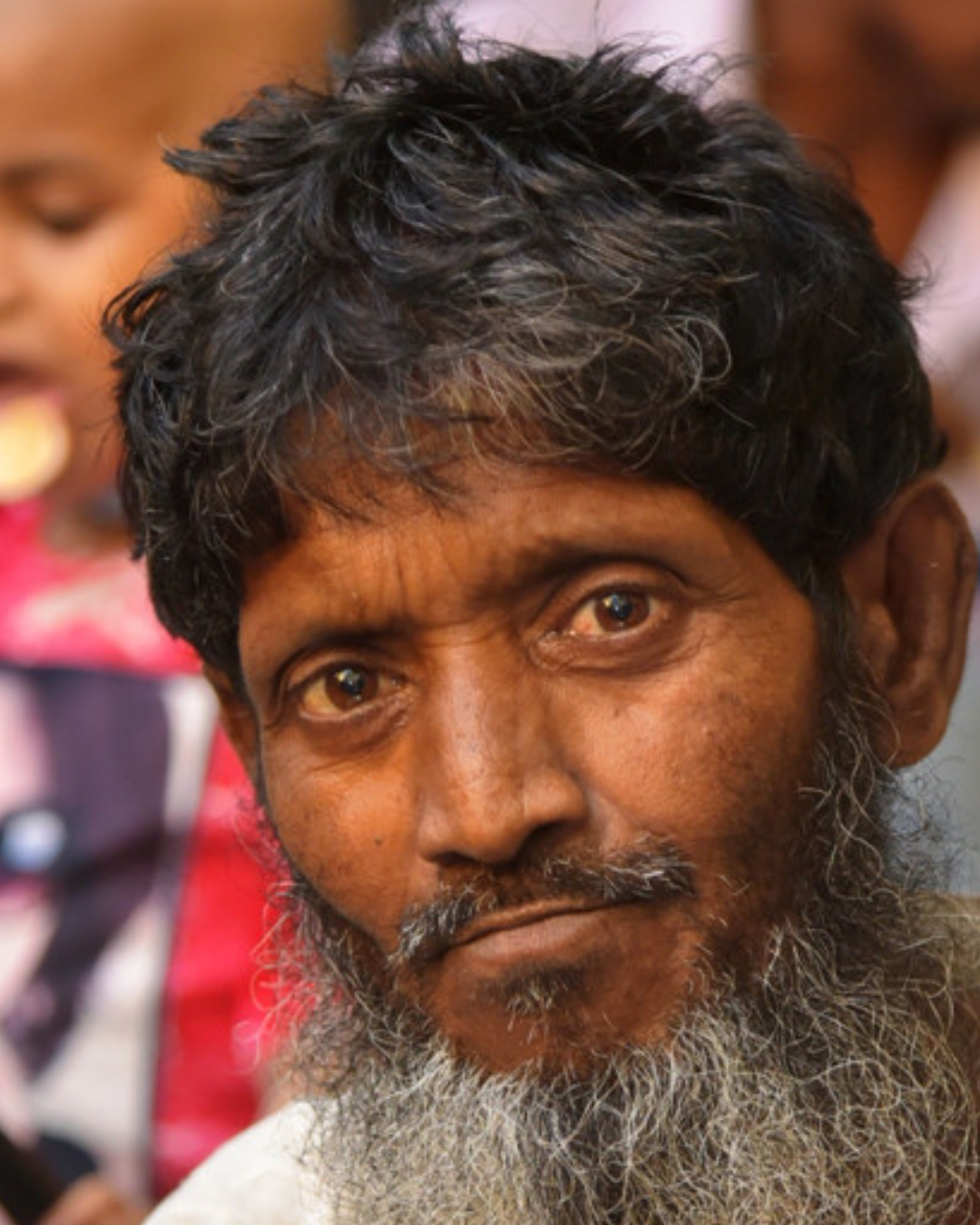
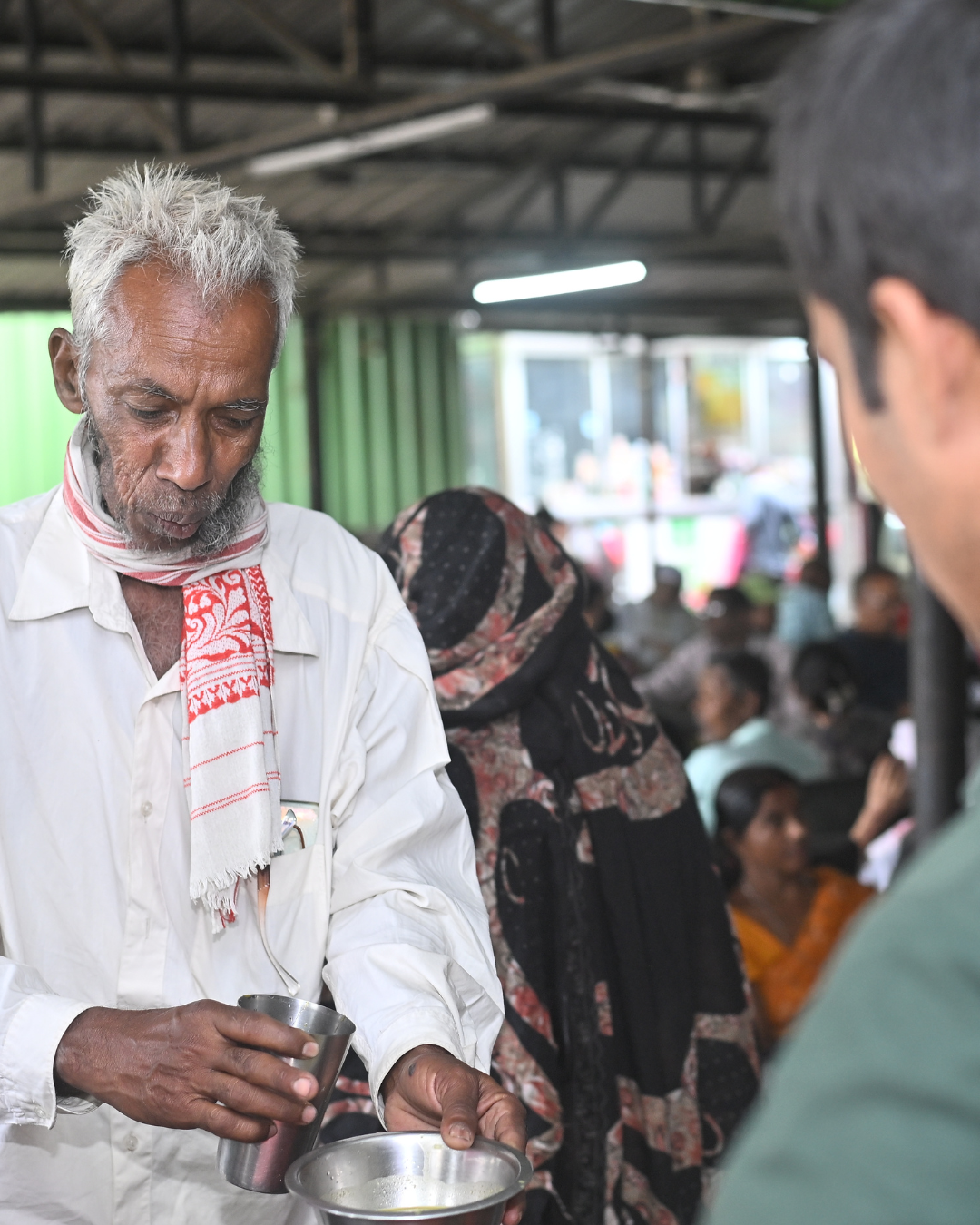
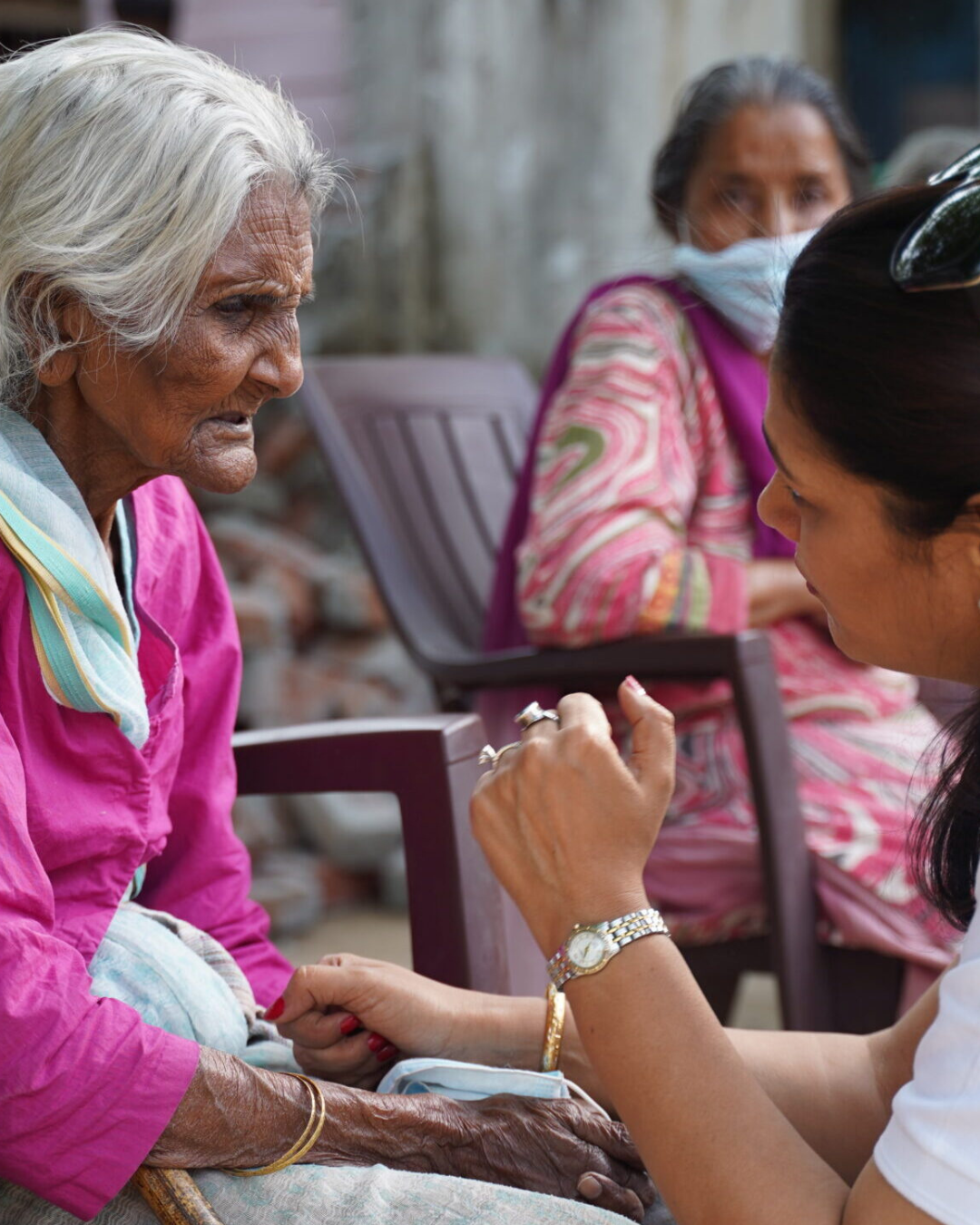
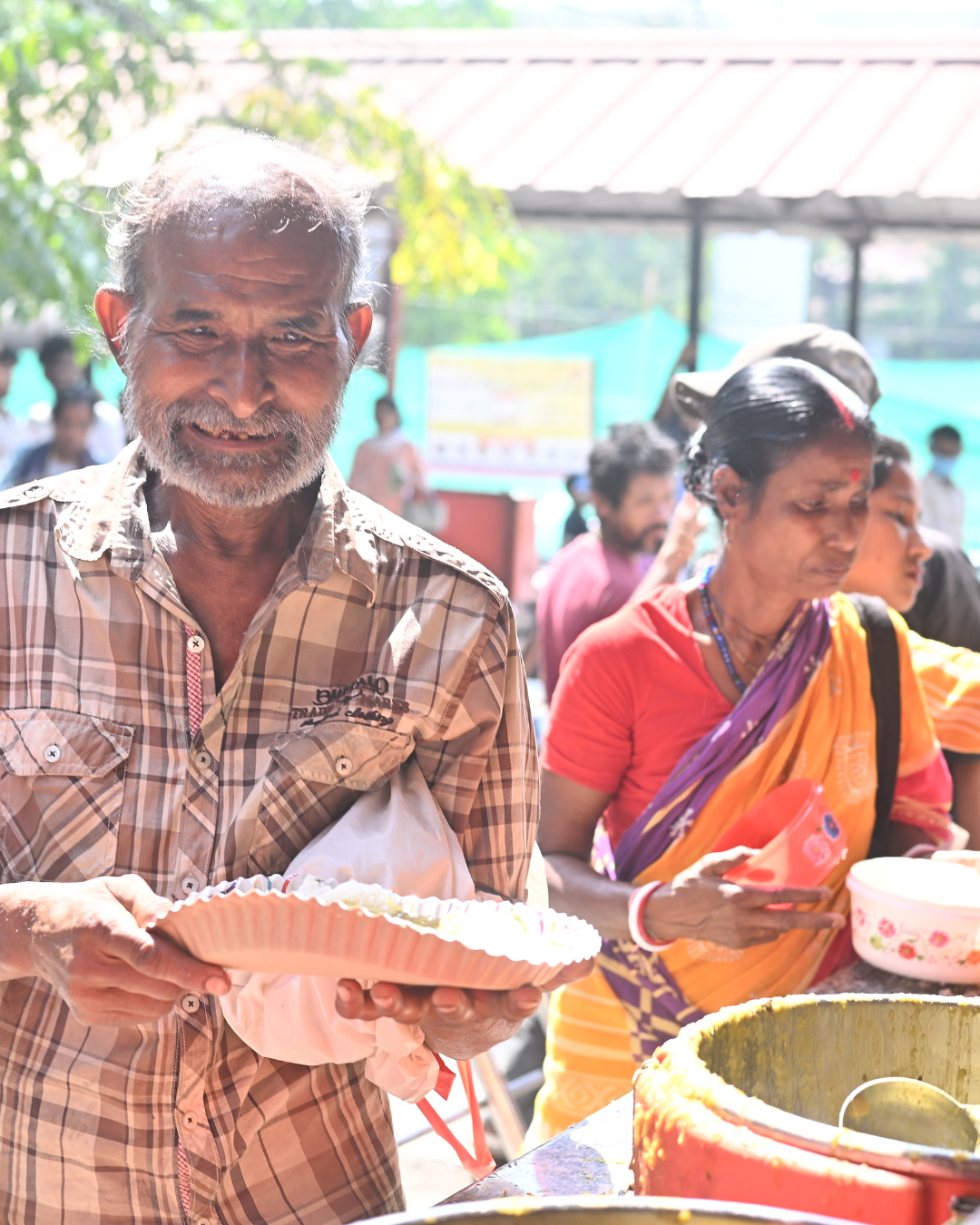
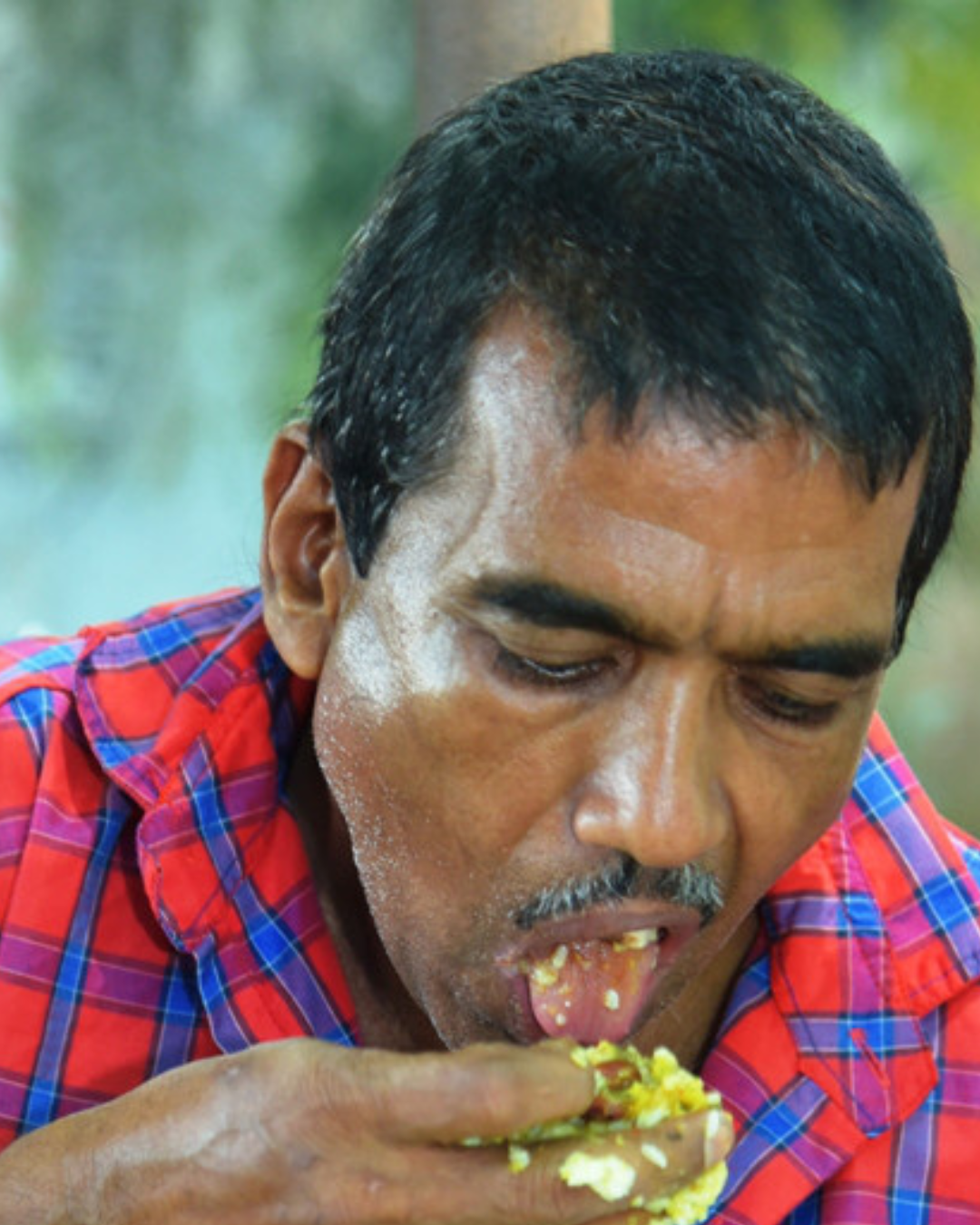
Feeding initiatives in old age homes and slum communities address two distinct yet equally vulnerable segments of society, where access to consistent, nutritious food is often uncertain. In old age homes, many residents are elderly individuals who may have been abandoned, lack financial support, or are physically unable to care for themselves. Proper nutrition at this stage of life is essential for maintaining health, managing chronic conditions, and preserving overall well-being. A structured feeding initiative ensures that residents receive balanced, easily digestible meals at regular intervals, tailored to their dietary needs. Beyond physical nourishment, the act of serving food with care and respect restores a sense of dignity and belonging, which is often deeply needed among the elderly. Shared meals also foster a sense of community, reducing feelings of loneliness and isolation that many residents experience.
In slum communities, the challenges are different but equally pressing. Rapid urbanization and economic disparity often result in densely populated areas where families struggle with irregular income, inadequate housing, and limited access to basic services, including food. For many individuals living in such conditions, daily meals are uncertain, and nutrition often takes a backseat to survival. Feeding initiatives in these areas focus on providing freshly prepared, hygienic meals that can support basic health and energy needs. These programs are particularly impactful for children, laborers, and the elderly within these communities, who are most at risk of malnutrition. By offering consistent food support, such initiatives help reduce immediate hunger while also contributing to improved health outcomes and productivity.
Operationally, feeding programs in both old age homes and slums require careful coordination and sensitivity. Meals must be planned to suit the specific needs of each group—soft, nutritious, and easily consumable food for the elderly, and simple, energy-rich meals for slum populations. Hygiene, quality, and timely distribution are critical factors, especially in environments where health risks are already elevated. Volunteers and staff play a key role in ensuring that food is prepared and served with cleanliness and compassion. In slum areas, logistics can be more complex due to accessibility and scale, often requiring mobile distribution setups or community-based serving points.
These initiatives also carry significant emotional and social value. In old age homes, regular feeding programs create opportunities for interaction, care, and companionship, reinforcing the idea that the elderly are not forgotten. In slums, they build trust within the community and demonstrate a tangible form of support that goes beyond words. Over time, such efforts can inspire community participation, where beneficiaries themselves become contributors in maintaining cleanliness, organizing distribution, or supporting others.
Sustainability is a key factor in the success of these programs. Continuous funding, efficient resource management, and strong volunteer networks are essential to maintain regular operations. Many initiatives rely on donations, partnerships, and community involvement to ensure that the service remains uninterrupted. Some also integrate additional support systems, such as distributing dry rations, organizing health camps, or providing nutritional awareness, thereby extending their impact beyond immediate hunger relief.
In conclusion, feeding initiatives in old age homes and slums represent a compassionate and structured response to hunger in two of society’s most underserved areas. By providing consistent, nutritious meals with dignity and care, these programs not only address physical hunger but also foster emotional well-being, social connection, and a sense of security. They stand as powerful examples of how targeted, community-focused efforts can create meaningful and lasting change in the lives of those who need it most.